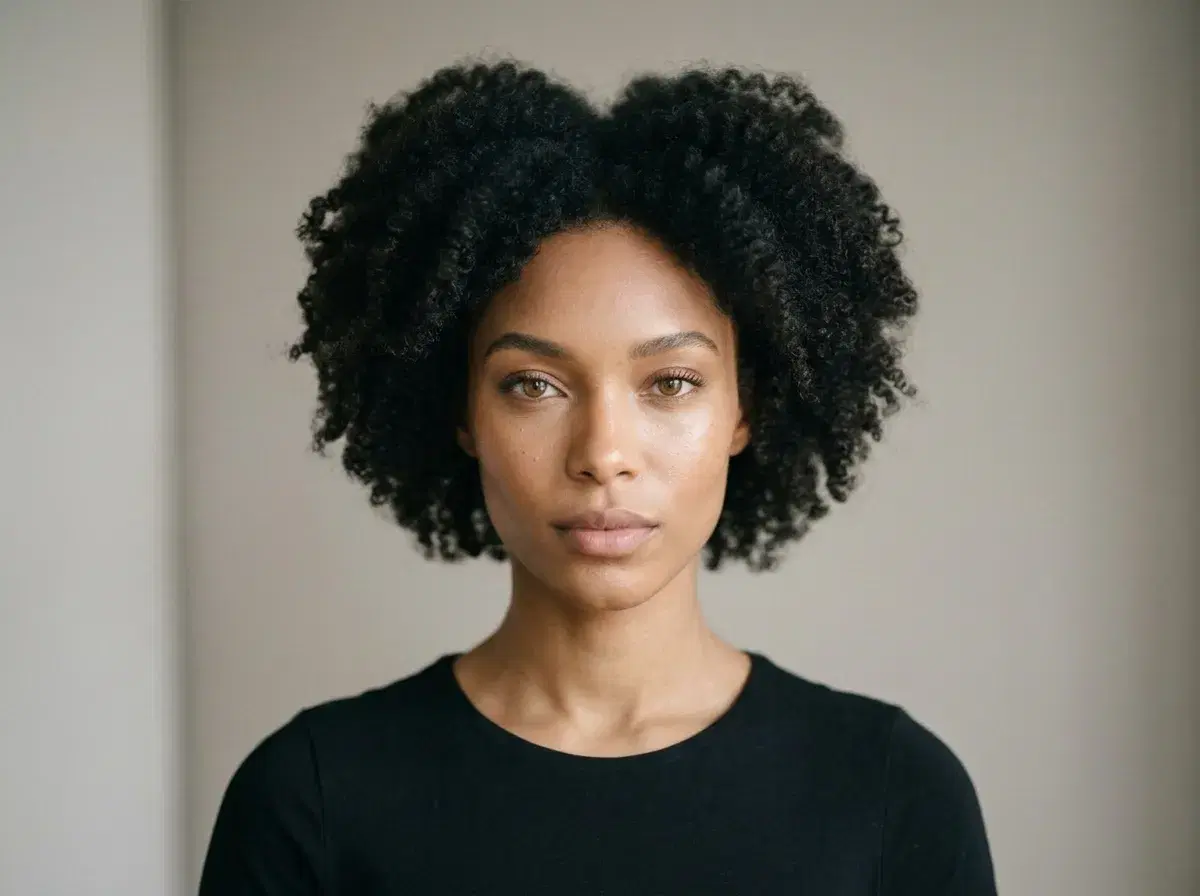
Spokesperson and talking-head videos are often used interchangeably, and Pose AI offers both — HeyGen-powered avatars, ElevenLabs voice cloning, and script-to-video tools that turn a written line into a presenter delivering it.
An AI spokesperson video generator produces a person delivering a script to camera — a presenter for an explainer, an ad, a training module, or a testimonial — without booking talent or a studio. Pose is the pick because the presenter is you, identity-locked from one selfie, with HeyGen, Wan, and SeedDance running natively alongside four other engines on a single plan.
Below is the ranking, with an honest note on each tool: several names that show up in spokesperson round-ups are doing a different job entirely, and it's worth knowing which.
The presenter engines live in the Pose AI Video Studio.
- Best for talking heads: Pose (HeyGen integration, your own face), Synthesia (custom/stock avatars), Tavus (personalised one-to-one video).
- Pose AI is the best all-in-one AI spokesperson video generator for 2026 — native HeyGen, Wan, and SeedDance render a presenter with your own identity-locked face, plus Kling, Veo, and Sora 2 for everything around the talking shot.
- D-ID and Synthesia are the strongest dedicated alternatives: D-ID for photo-to-presenter at API scale, Synthesia for polished corporate explainers with stock avatars and wide language coverage.
- Captions.ai, Creatify, and Arcads are ad-shaped — short-form UGC and product ads with stock or product-URL avatars, rather than a general presenter.
- Pictory and Pika are frequently listed here and shouldn't be: Pictory turns scripts into stock-footage video, Pika is a generative motion model. Neither is built for a spokesperson.
- One plan: 400 credits every week covering all six Pose video engines plus ElevenLabs voice cloning, $4.99 the first week then $14.99, no watermarks.
What an AI spokesperson video generator is
An AI spokesperson video generator takes a script and produces a video of a person saying it — lip-synced, to camera, in a usable setting. The presenter is either a stock avatar the platform provides, or a likeness generated from a photo you supply. The output is the sort of clip you'd otherwise hire someone to film: a product explainer, an ad read, an onboarding module, a testimonial.
The category splits on one question: whose face is on screen. Stock-avatar platforms give you a library of actors — fast, consistent, and unmistakably not you, which is fine for corporate training and weak for a personal brand. Identity-locked generation puts your own face on the presenter, which matters when the audience is meant to recognise the person speaking.
AI spokesperson video generators compared
| Tool | Presenter approach | Realism | Pricing |
|---|---|---|---|
| Pose AI | Your own face, identity-locked from one selfie — HeyGen, Wan, and SeedDance natively | Photorealistic presenter, plus Kling and Veo for the shots around it | $4.99 first week, then $14.99/week (400 credits) |
| D-ID | Photo-to-presenter; strong API for programmatic use | Good talking-head realism from a still | Paid plans, varies by volume |
| Synthesia | Stock avatar library, wide language coverage | Polished and consistent; clearly a corporate avatar | From ~$29/month |
| Captions.ai | Stock avatars aimed at short-form social | Good for feed-native clips | From ~$25/month |
| Creatify | Avatars generated around a product URL | Ad-shaped rather than presenter-shaped | From ~$39/month |
| Arcads | Stock UGC-style actors for ad variants | Convincing as UGC, not as your spokesperson | Paid plans, varies |
| Pictory | Not a spokesperson tool — scripts to stock footage | Not applicable | From ~$23/month |
| Pika | Not a spokesperson tool — generative motion from text or image | Strong motion; no lip-sync presenter workflow | From ~$10/month |
Pose leads for anyone who wants the presenter to be recognisably them, because that's the axis the other seven don't compete on. But the ranking isn't a clean sweep: Synthesia is the better choice for a large multilingual training library, D-ID is the better choice if you're generating presenters programmatically through an API, and Arcads or Creatify will get you ad variants faster if you don't care whose face is on them. Pictory and Pika are included because round-ups keep listing them — they're good tools doing entirely different jobs.
Why Pose ranks first
Two reasons, and they're both structural rather than a claim about output quality. The first is the face: Pose anchors the presenter to your own identity from a single selfie via Nano Banana 2 — no batch upload, no training step — and HeyGen renders that identity delivering the script, with ElevenLabs cloning your voice to match. Every other tool in the table either hands you a stock actor or animates a photo without a persistent identity behind it.
The second is scope. A spokesperson clip is rarely the whole deliverable. You need the product shot, the B-roll, the cutaway, the vertical crop for a feed. Pose has Kling for camera-controlled scenes, SeedDance for subject motion, Wan for fast iteration, plus Veo and Sora 2 — all on the same 400 weekly credits as the presenter. The dedicated avatar tools give you the talking head and leave the rest to another subscription.
Worth saying plainly: HeyGen is one of Pose's native engines and also a strong standalone product. If a talking avatar is genuinely the only thing you'll ever need, going direct is a reasonable call. Pose's argument is that it almost never is.
For the ad-shaped version of this, see AI UGC talking videos.
See what 400 weekly credits cover on Pose AI pricing.