Featured
Veo 2 AI Video Generation 2026
Veo 2 is Google's photorealistic cinematic video model, natively integrated into Pose AI — what it does and how it compares to Sora 2.
Read guidePose AI is a browser-based AI studio — no downloads required. Change body poses, generate videos, create headshots online in 2026. How-to guides, style comparisons, and changing your pose without installing an app — everything that's working for creators using AI photos.
Veo 2 is Google's photorealistic cinematic video model, natively integrated into Pose AI — what it does and how it compares to Sora 2.
Read guide
Pose AI, GIO, Aragon, and HeadshotPro compared on iPhone access, pricing model, and video generation.
What Pose AI offers if you're searching for Mara Photo AI or a similar photo generation tool — identity-locked generation from one selfie.
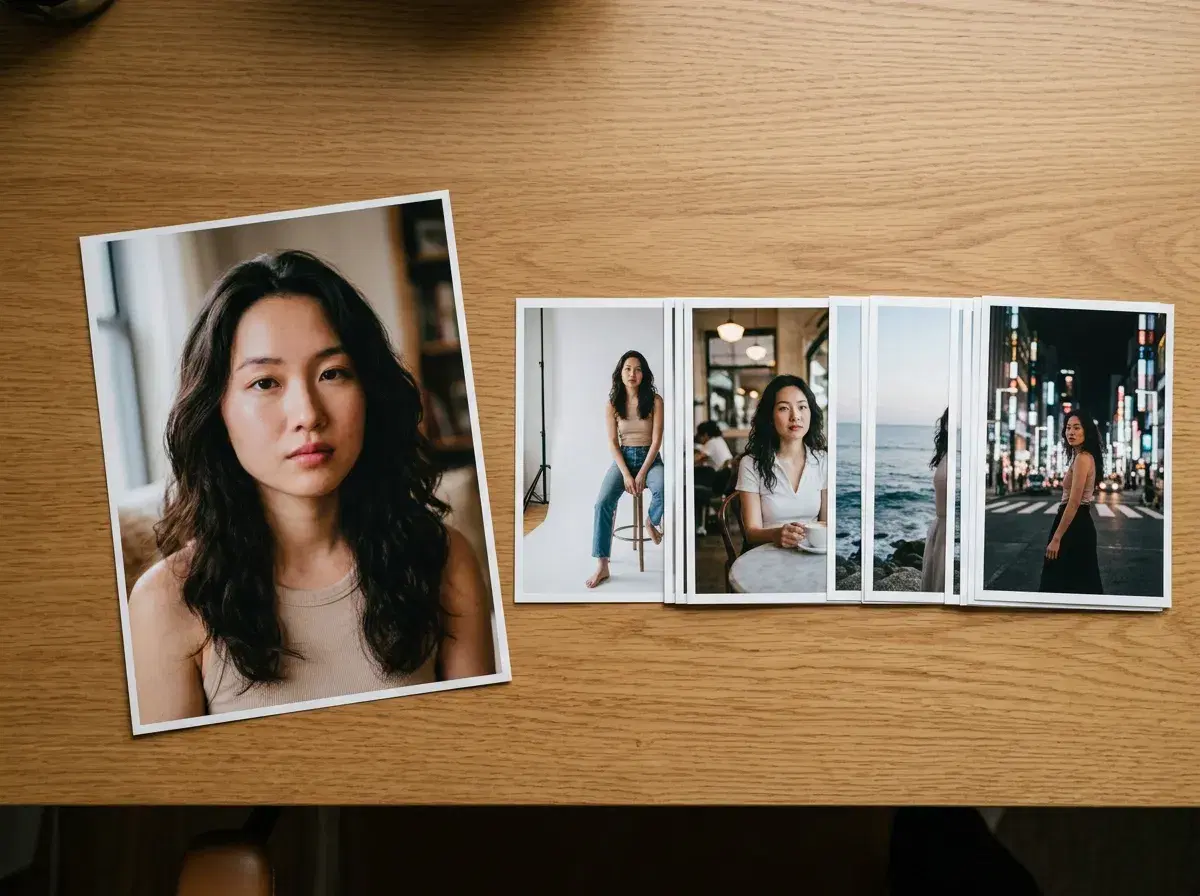
Identity lock keeps your face fixed across AI photos and videos, so prompts only shape the scene, light, and style.
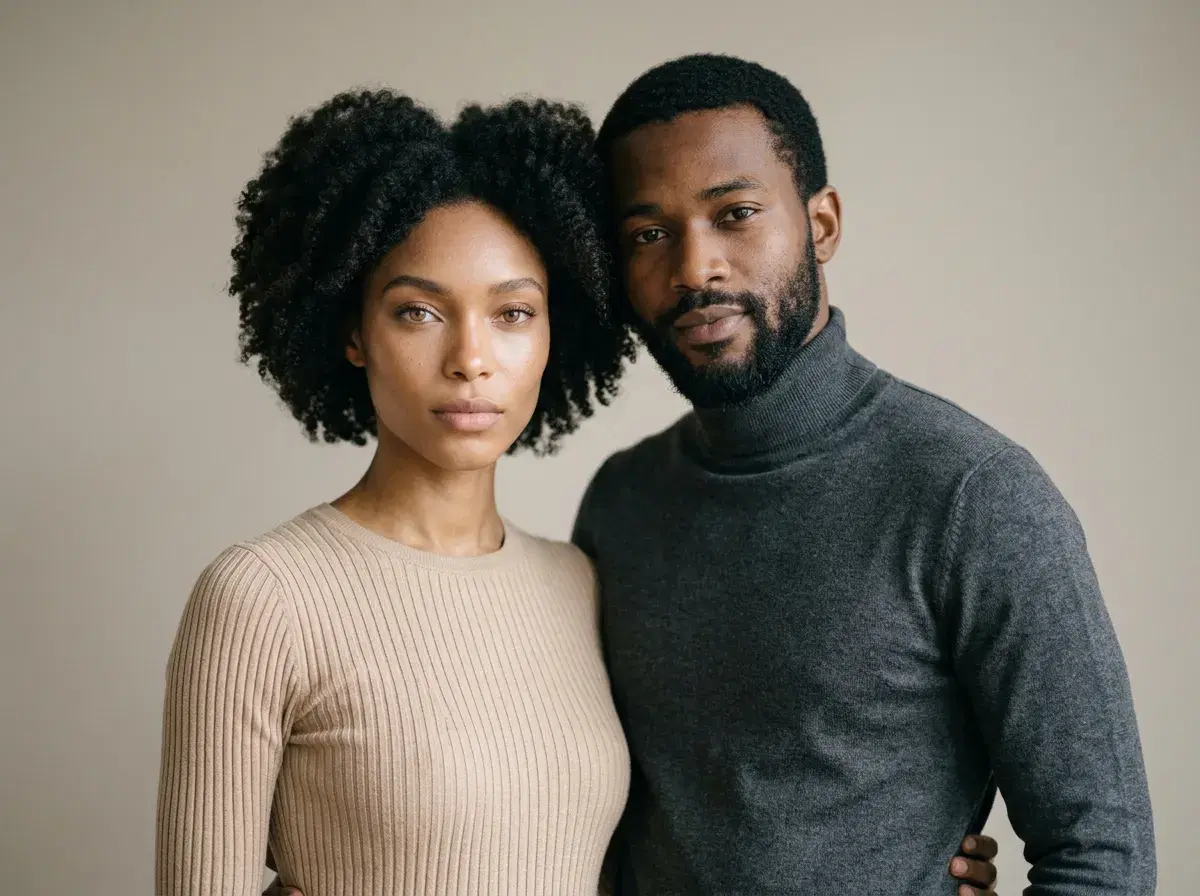
Four steps to an AI couple portrait: upload one clear selfie of each partner, choose a style, generate, and download.

A dedicated explainer on what a HeyGen talking avatar actually is, how it's generated, and how Pose AI runs the same engine natively.
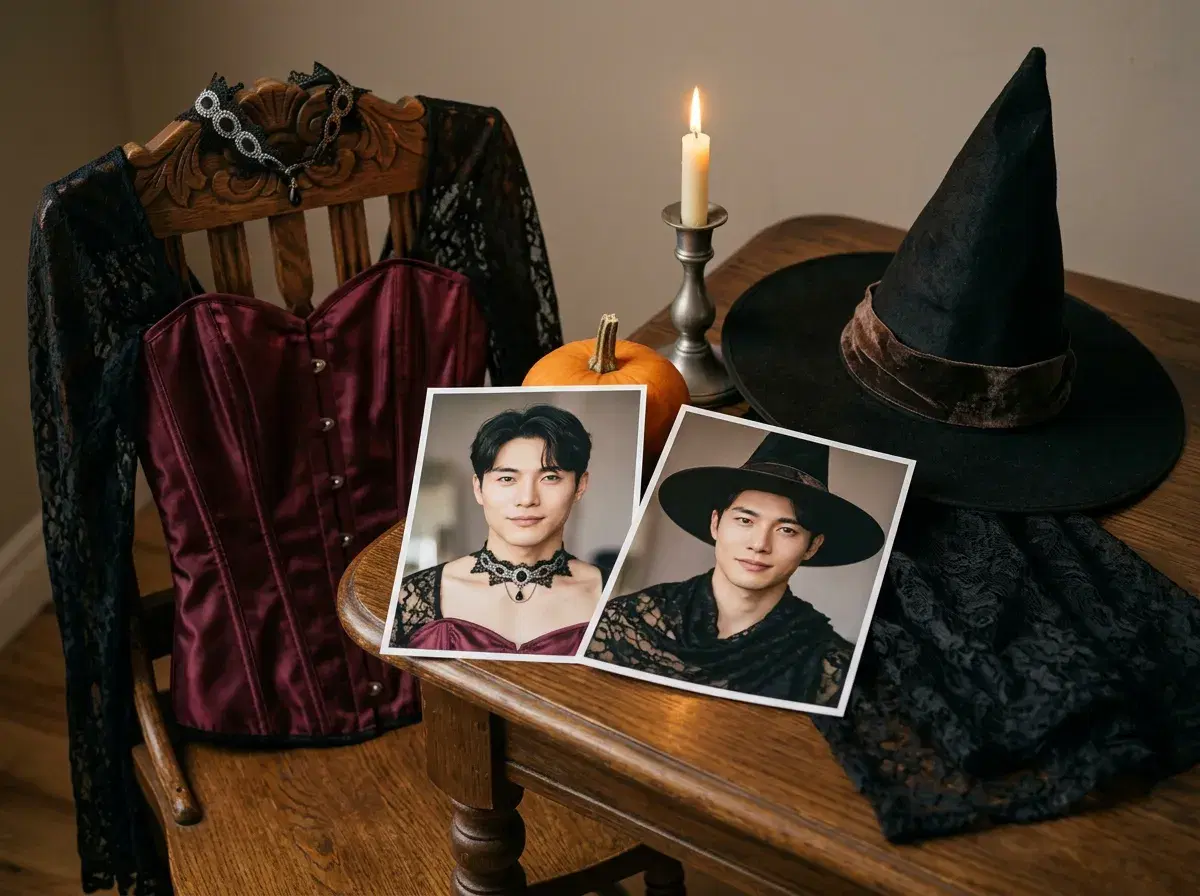
Two ready-to-use Halloween 2026 AI photo prompts, vampire and witch, plus one-tap Pose effects for the exact look.
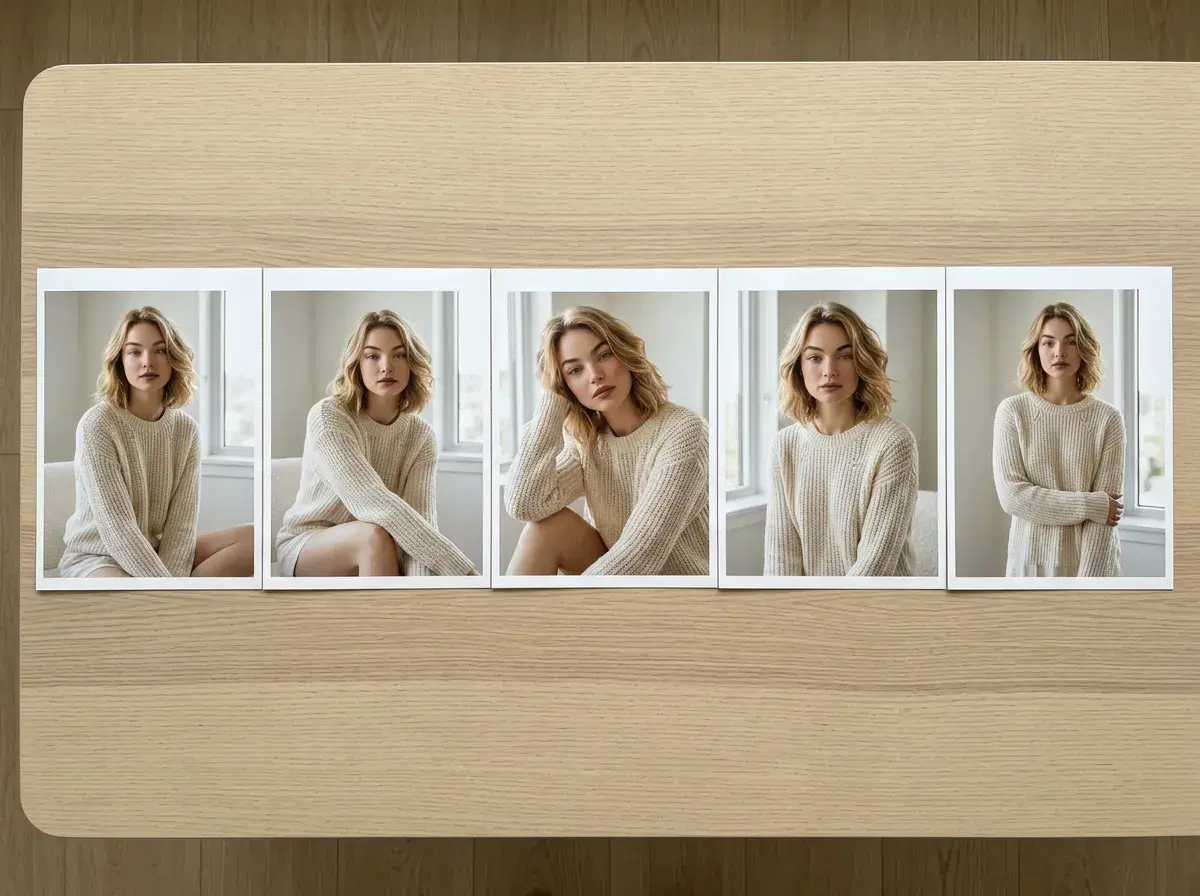
How identity lock keeps one face consistent across a set of five or more AI images, with a step-by-step home-interior example.

Why Pose AI is the easiest AI photoshoot app on iPhone, and the four steps from selfie to finished photos.
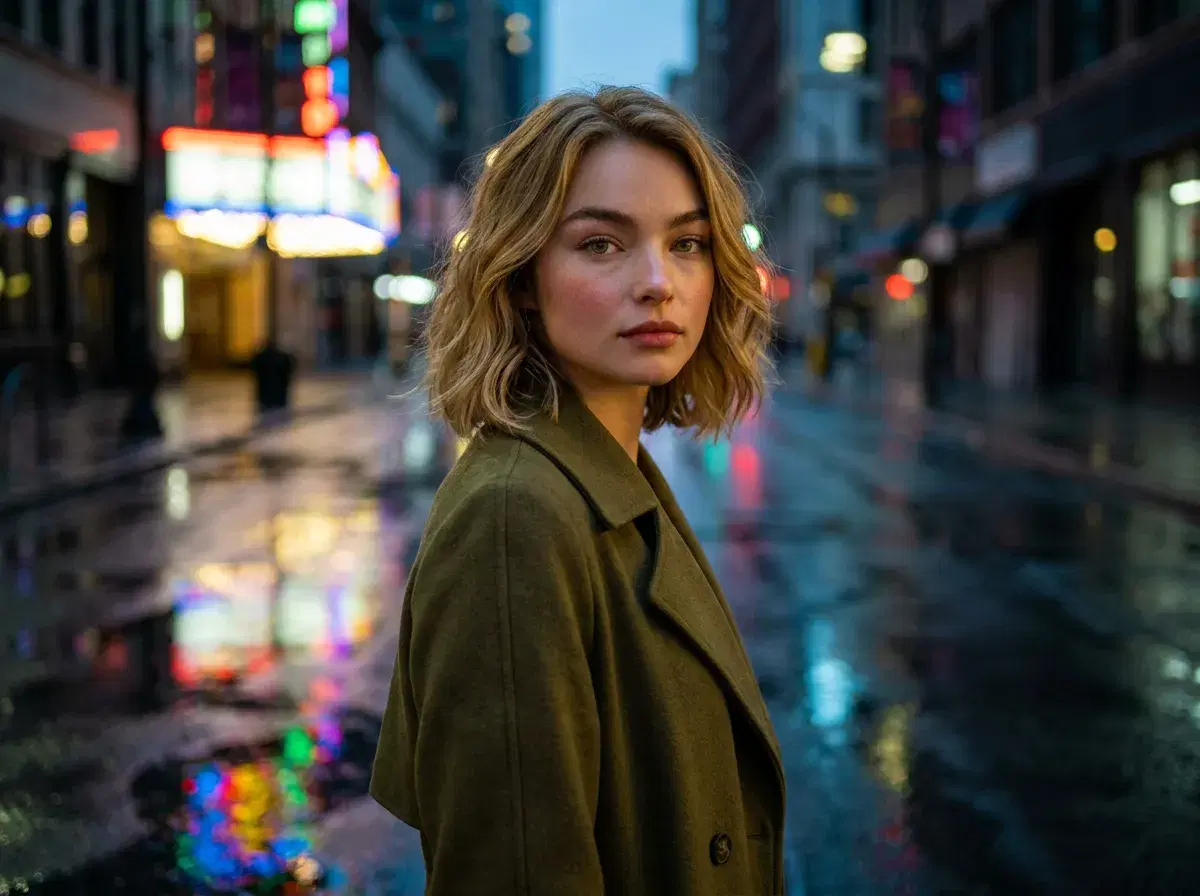
The visual trends behind the genre's most recognizable looks, and how to generate K-drama-style photos of yourself from one selfie.
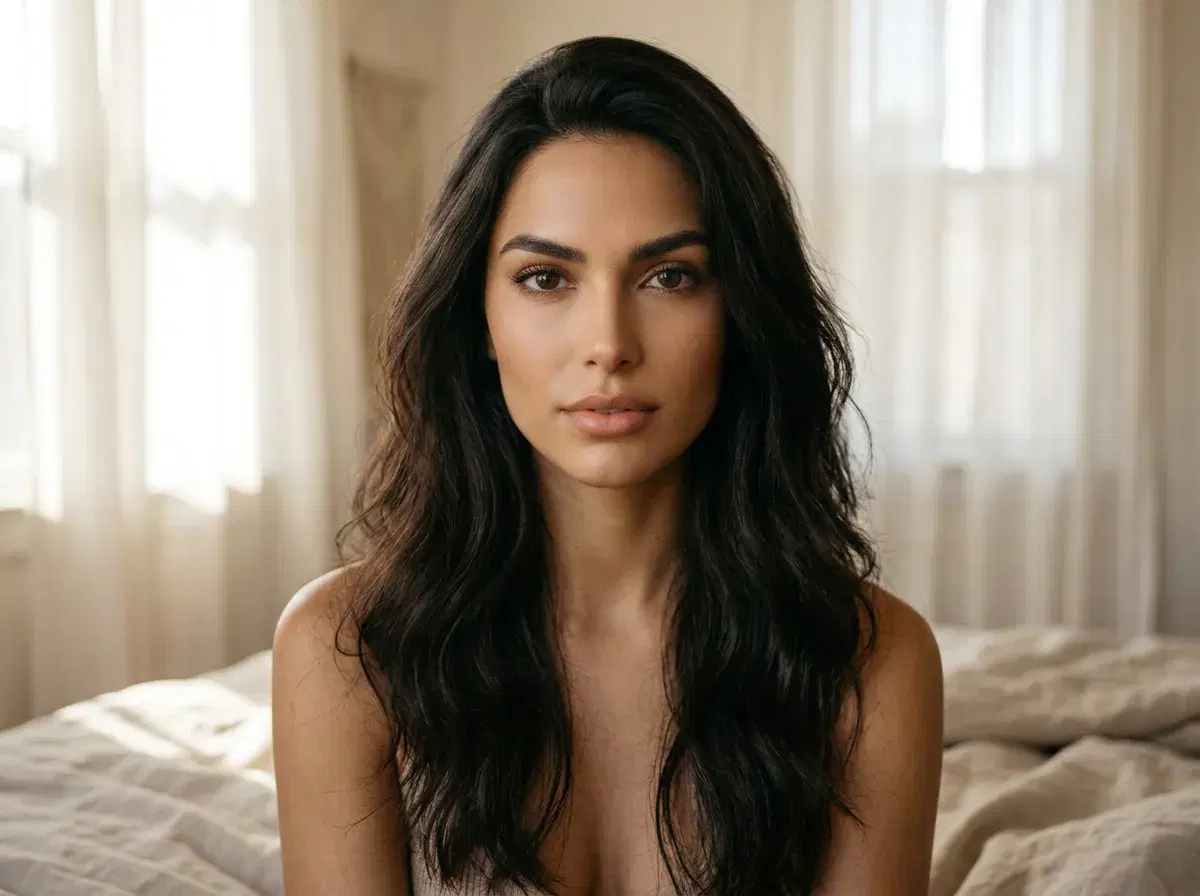
What makes an AI boudoir generator good: a face that stays yours, privacy you can verify, and control over light and wardrobe.
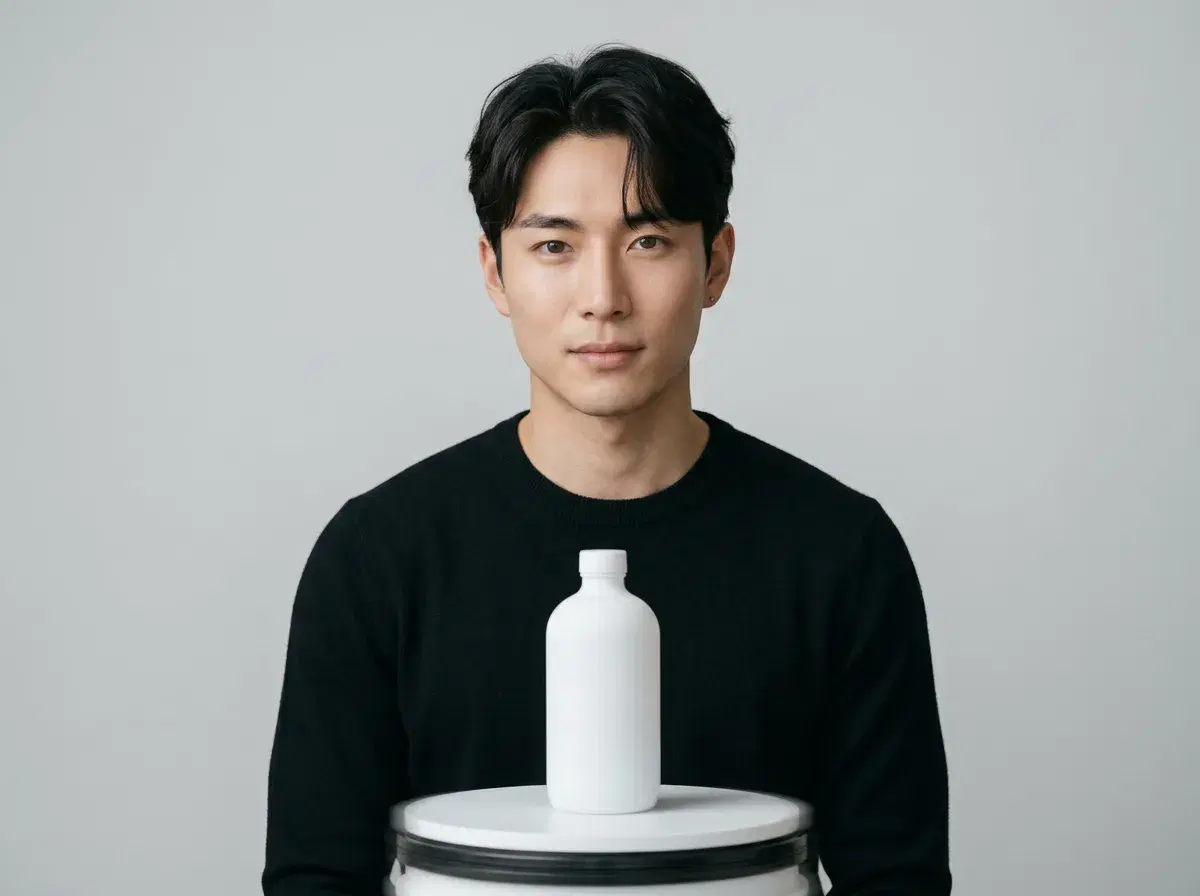
What an AI product video generator is, and how to match Pose AI's six native video engines to different product video use cases.
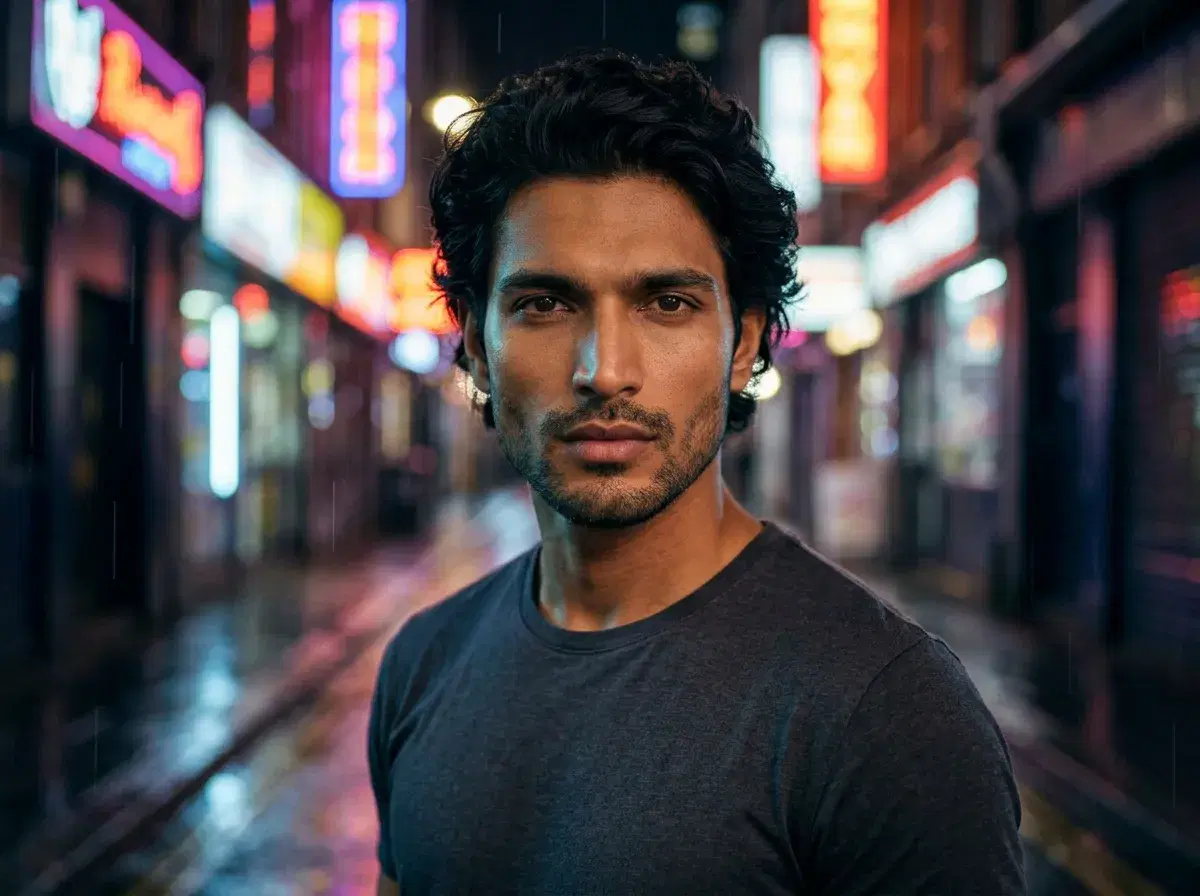
AI-generated K-drama-style portraits using one selfie, identity-locked via Nano Banana 2, generated in seconds — how it works and how it compares to a real shoot.