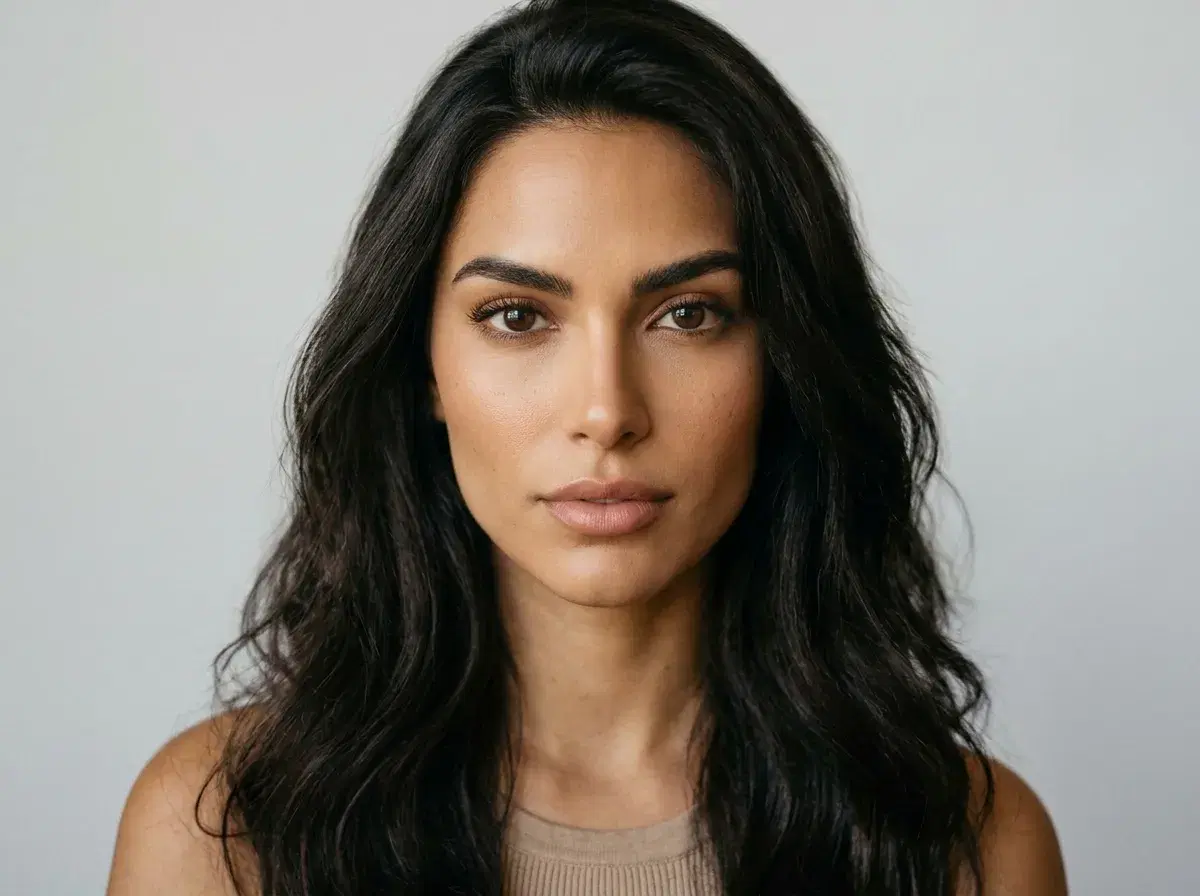
Pose AI and Canva get compared as "photo tools," but they are in different categories — and naming that clears up the choice fast. Canva is a design and editing tool: templates, text, layout, light photo editing. Pose is a generator: it makes new photos and video of you from a selfie.
This is a short, honest comparison of the two, and where the real answer for most people is to use both.
See the generation tools in Pose AI headshots.
- Canva designs and edits — templates, text, layout, background removal — with a genuine free tier.
- Pose generates new identity-locked photos and native video from one selfie; it does not edit or design, and it is a paid plan (no free-forever tier).
- For making a headshot or fresh content, Pose; for laying out a carousel or adding text, Canva.
- Most people use both: Pose to create the imagery, Canva to design around it.
What each tool is
Pose AI is an all-in-one generation studio: from one selfie it creates identity-locked photos via Nano Banana 2 and native video across several engines, on a credit-based plan. It produces new imagery of you; it is not built to retouch or lay out a photo you already have.
Canva is a design platform with editing built in: drag-and-drop templates, text and typography, background removal, and light photo adjustments, on a free tier plus a paid Pro plan. It is where you assemble and finish a design, not where you generate a new photo of yourself.
Which to choose
Match the tool to the job. Need a professional headshot, a set of on-brand posts, or a short video of yourself? That is generation — Pose. Need to build a carousel, add captions, design a cover, or remove a background? That is design and editing — Canva.
Where people go wrong is expecting one to do both. Pose will not lay out your carousel, and Canva will not generate a headshot of you. The efficient setup is to use each for what it is good at.
See what a week of credits covers on Pose AI pricing.