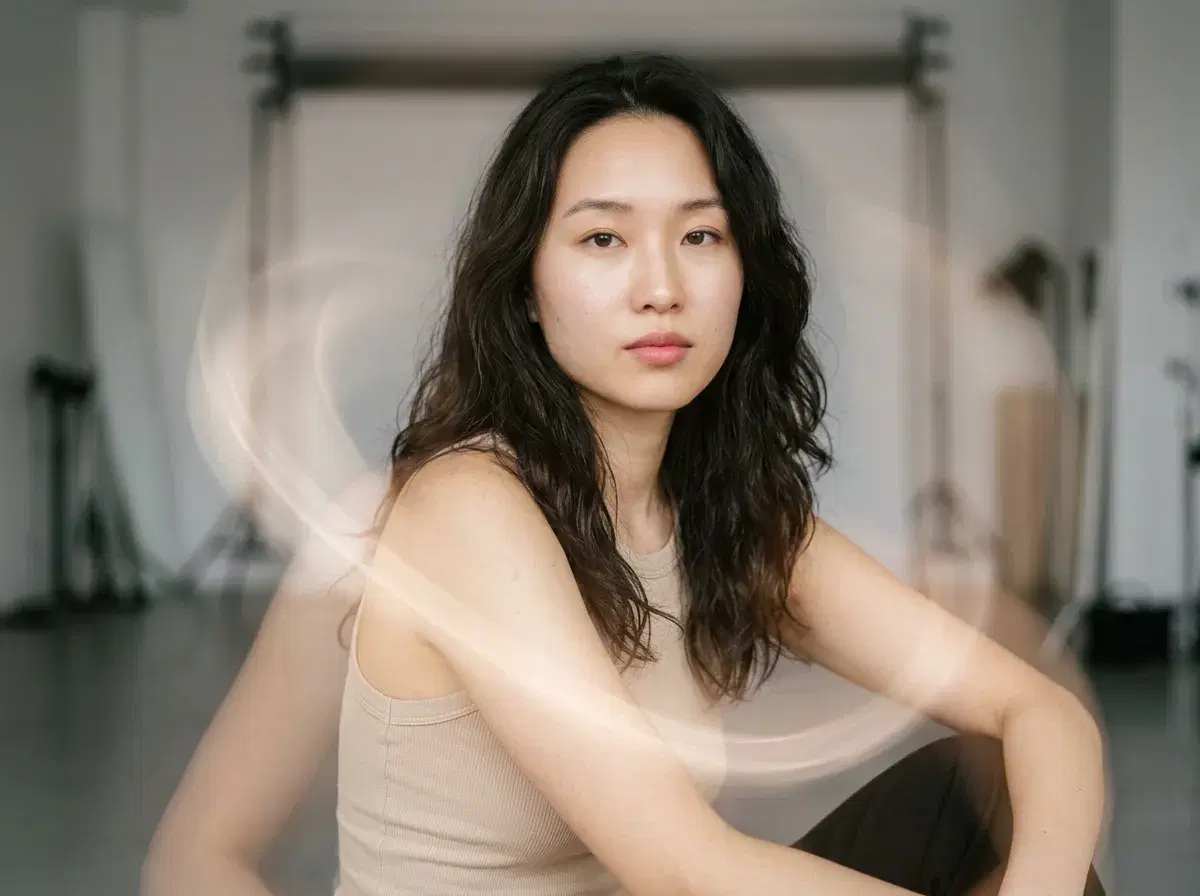
AI pose generation is the process of producing a new photo or video of a person in a specific pose — using AI models that read identity from a reference photo, rather than photographing the pose directly. This guide covers how the technology works, what's behind it, and where it's actually used.
- AI pose generation reads a person's identity from one uploaded photo and generates a new image or video of that person in a described pose.
- Pose AI's Image Studio (Nano Banana 2) generates still photos; Motion Control directs pose and camera movement in video, powered by Kling, SeedDance, Wan, Veo, Sora 2, and HeyGen.
- Common uses: professional headshots, dating and social profile photos, product and UGC video content.
- Unlike a traditional photoshoot, no physical setup, lighting, or repeated sessions are needed — one selfie covers many poses.
What is AI pose generation?
AI pose generation produces an entirely new image or video clip of a person in a pose described in text or selected from a style, rather than adjusting an existing photo or filming the pose live. It relies on identity-locked generation: the model reads a person's face and build from one or more reference photos, then holds that identity consistent while varying the pose, framing, and setting.
The technology behind it
For still images, Pose AI uses Nano Banana 2 — an identity-locked image model that reads your face from a single selfie and generates a new photo in the pose and setting you describe, without a separate training step.
For video, Motion Control directs pose and camera movement during generation. Kling handles camera movement, SeedDance handles body motion and motion transfer from a reference clip, Wan enables fast iteration, and Veo and Sora 2 generate photorealistic scenes. HeyGen powers talking-head and presenter-style video from a single photo.
Use cases
Headshots: multiple professional poses — seated, standing, three-quarter — generated from one selfie, without booking separate shots for each.
UGC and product video: presenter-style talking-head video in a directed pose and delivery, generated rather than filmed.
Social and dating profiles: a varied, natural-looking set of poses for platforms like Hinge, Bumble, and Tinder, all identity-locked to your real face.
AI pose generation vs a traditional photoshoot
| AI Pose Generation | Traditional Photoshoot | |
|---|---|---|
| Setup required | One uploaded selfie | Studio, lighting, photographer booking |
| Number of poses | Many, generated from one upload | Limited to what's shot in the session |
| Turnaround | In seconds per pose | Days to weeks including editing |
| Cost | $4.99 first week, then $14.99/week, 400 credits | Typically $150-$500+ per session |
| Best for | Fast iteration across many poses and styles | A single, professionally directed shoot |
Generate posed headshots with Pose AI's Image Studio, direct pose and motion in
Pose AI's Video Studio, or generate talking-head UGC content in