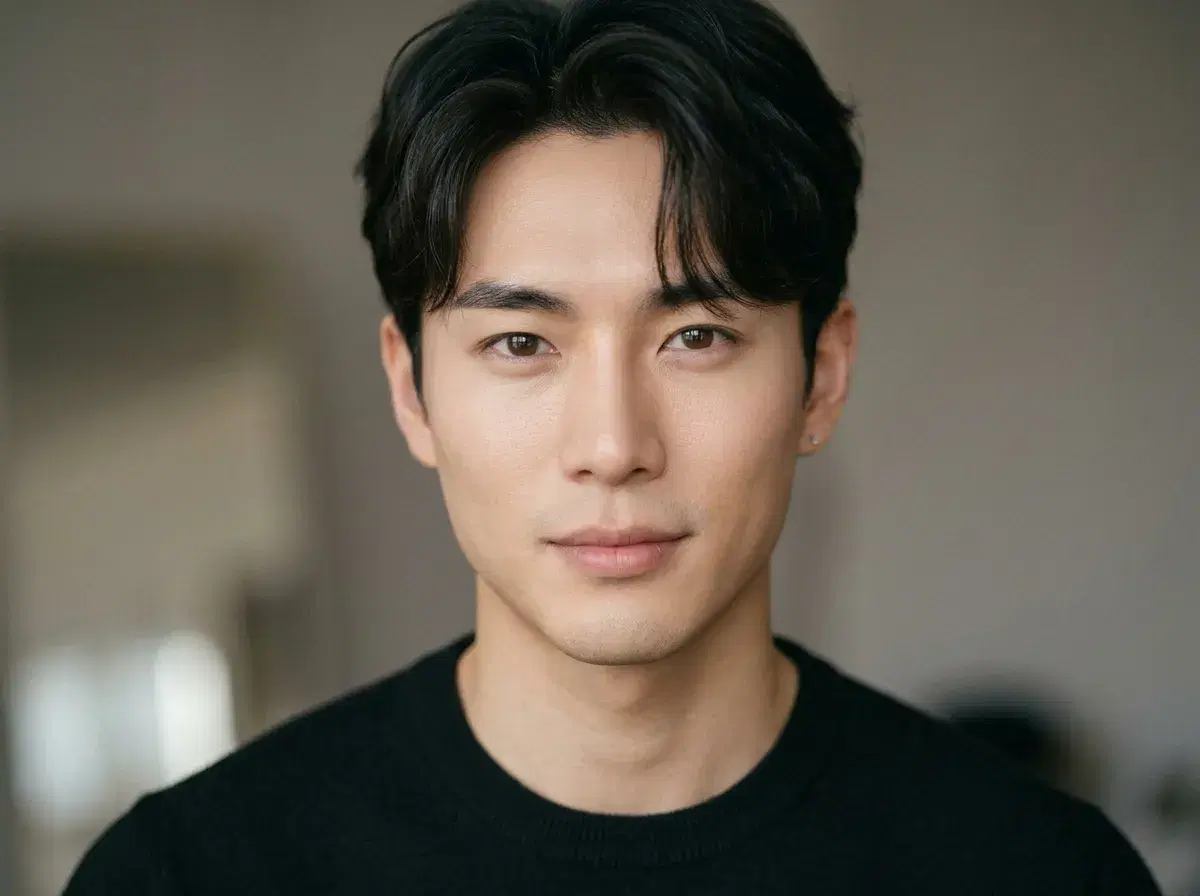
"Photorealistic" is a higher bar than "realistic" — it means the output is difficult to distinguish from an actual camera photograph, not just visually convincing at a glance. Pose AI's Nano Banana 2 is built specifically for this: identity-locked generation from a single selfie, aimed at output that reads as a real photo of you.
- For photorealistic portraits of a specific person, Pose AI's Nano Banana 2 is the top choice — it locks identity to your own selfie rather than generating a plausible but generic face.
- Midjourney and Flux Kontext are strong general-purpose photorealistic models but need a reference image or careful prompting to stay consistent with a specific person's identity.
- Aragon and PhotoAI are headshot-focused, one-time or subscription tools without native video generation.
- 400 credits every week, $4.99 the first week, then $14.99/week.
What makes an AI portrait "photorealistic"?
A photorealistic AI portrait aims to be indistinguishable from an unedited camera photograph — consistent skin texture, natural lighting physics, correctly rendered fine detail like individual hair strands and eye reflections, rather than the smoothed-over, slightly waxy look common to earlier generative models.
The harder problem than general photorealism is identity consistency: rendering fine detail convincingly is one thing, but rendering it as a specific, recognizable person across multiple generations is a separate capability. That's what identity-locked models like Nano Banana 2 are built to solve.
Photorealistic AI portrait generators compared
| Tool | Identity Lock | Native Video | Best For | Pricing |
|---|---|---|---|---|
| Pose AI (Nano Banana 2) | Yes, from one selfie | Yes, native | Photorealistic portraits of yourself, plus video | 400 credits/week, from $4.99 first week |
| Midjourney | No — prompt-based, no identity reference | No | General photorealistic art and scenes | From ~$10/mo (approximate, verify before subscribing) |
| Flux Kontext | Partial with reference image | No | Photorealistic scenes and editing workflows | API pay-per-use (approximate, verify before subscribing) |
| Aragon | Trained on uploaded photo batch | No | One-time professional headshot packs | ~$29 one-time (approximate, verify before subscribing) |
| PhotoAI | Trained on uploaded photo batch | No | Subscription-based portrait generation | From ~$19/mo (approximate, verify before subscribing) |
| FLUX 2 (standalone) | No — prompt-based, no identity reference | No | Standalone photorealistic image generation, no video | API pay-per-use (approximate, verify before subscribing) |
| Nano Banana Pro (standalone) | Reference-image based, not selfie-locked the way Pose is | No | General photorealistic image generation | Verify current pricing before subscribing |
For a detailed head-to-head, see Nano Banana 2 vs Flux vs Midjourney on portrait realism.
See Pose AI's own photorealistic headshots in the headshot generator.
Boudoir and intimate portraits
Boudoir is one of the harder portrait genres to get right with AI, because it lives on soft, directional light, skin texture, and a face that has to be unmistakably yours. General image models can produce beautiful boudoir-styled imagery, but with no reference to your face the person in the frame is a stranger.
Pose AI handles it with Nano Banana 2's identity lock: one selfie keeps your face consistent across a whole set while you control wardrobe — silk, lace, an oversized knit — and lighting, from window light to a single warm lamp. It's privacy-first by design: Pose doesn't use your photos to train AI models, you can delete them on request, and it generates tasteful boudoir-style portraits, not explicit content. Only upload a photo of yourself.
For lighting, wardrobe, and privacy guidance, read the best AI generator for realistic boudoir photos.