Motion Control vs. Traditional Pose Editing
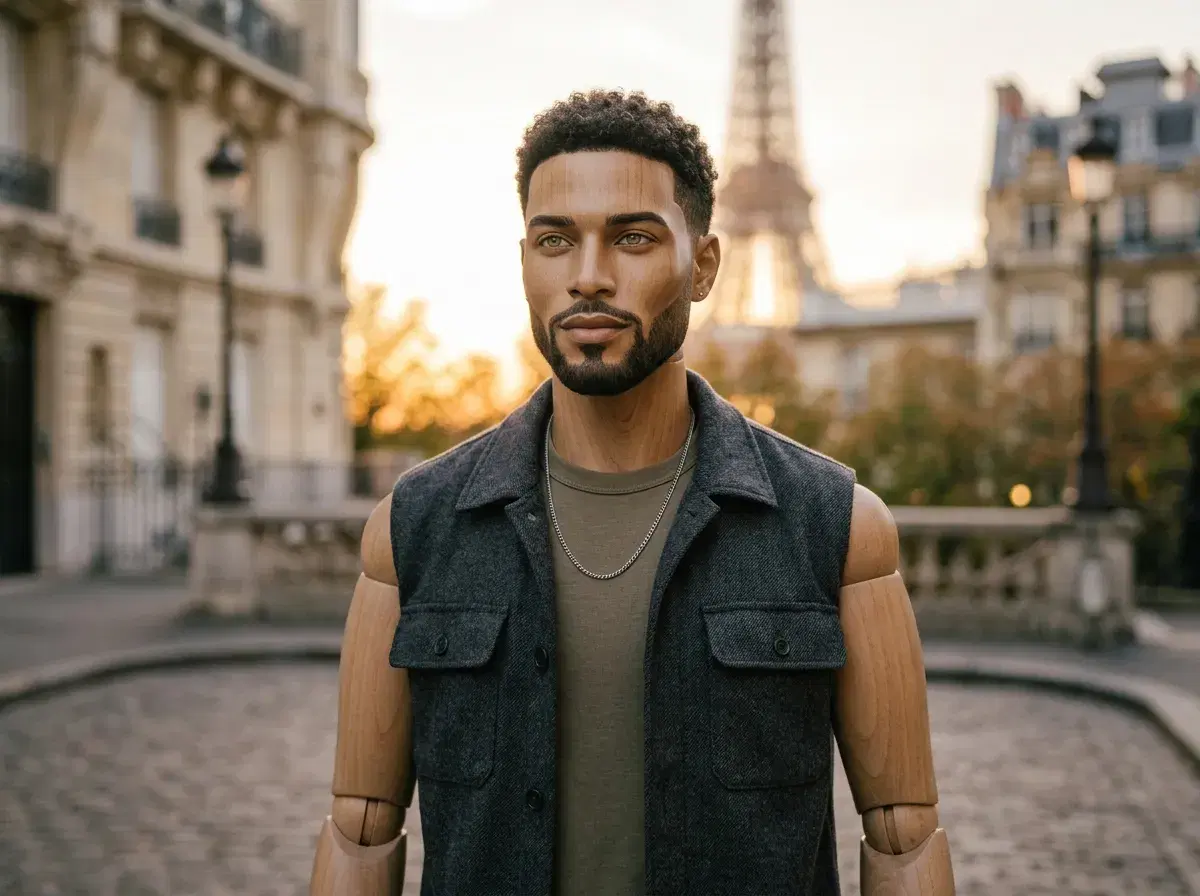
Motion control and traditional pose editing solve the same problem — repositioning a subject — from opposite directions: one generates the movement, the other manually repositions a rig.
Read guidePose AI is a browser-based AI studio — no downloads required. Change body poses, generate videos, create headshots online in 2026. How-to guides, style comparisons, and changing your pose without installing an app — everything that's working for creators using AI photos.
Motion control and traditional pose editing solve the same problem — repositioning a subject — from opposite directions: one generates the movement, the other manually repositions a rig.
Read guide
The easiest AI tool for a beginner depends on the job. For photos and video, that is Pose AI; for writing and conversation, that is ChatGPT or Gemini.

The top AI video generators for faceless YouTube content compared — Pose's native six-engine stack against the work of stitching separate tools together.

"Change the pose in this photo" is really two different requests. Here's which tools handle each, and where Pose's Motion Control and Nano Banana 2 fit.

"Best for Shorts vs TikTok" is mostly the wrong question — the platforms share a video format. What actually differs is whether a tool generates footage or repurposes it.

Five features separate a genuinely useful Shorts AI generator from a demo: native multi-model video, identity consistency, motion control, voice cloning, and vertical format optimization.

The top rated AI photo generator for realistic portraits in 2026 depends on whether the portrait needs to be a specific person. Pose, Flux, Midjourney, and Aragon each answer that differently.

"Realistic human faces" is two different questions — a face that is convincingly a person, and a face that is convincingly you. Different apps win each.

"All-in-one" for YouTube Shorts means covering footage, voice, and often avatars from a single account. Here is how Pose's native stack compares to Creen, Vivideo, InVideo AI, and HeyGen on that specific claim.

No training on your photos, prompt deletion after generation, self-service account deletion, and a named compliance framework — what Pose AI's privacy policy actually commits to.

Portraits and full-body shots aren't just different framings — they draw on different Pose models and prompts. Here's a side-by-side, use case by use case.

Credit-based and subscription pricing both charge you recurring fees, but the unit is different: a pool of credits you spend down versus a plan tier with a fixed feature set. Here's what actually separates them.

Changing a pose splits into two different jobs — editing the pose in a photo you already have, and generating a new photo of you in a different pose. Here's which tools do which.